
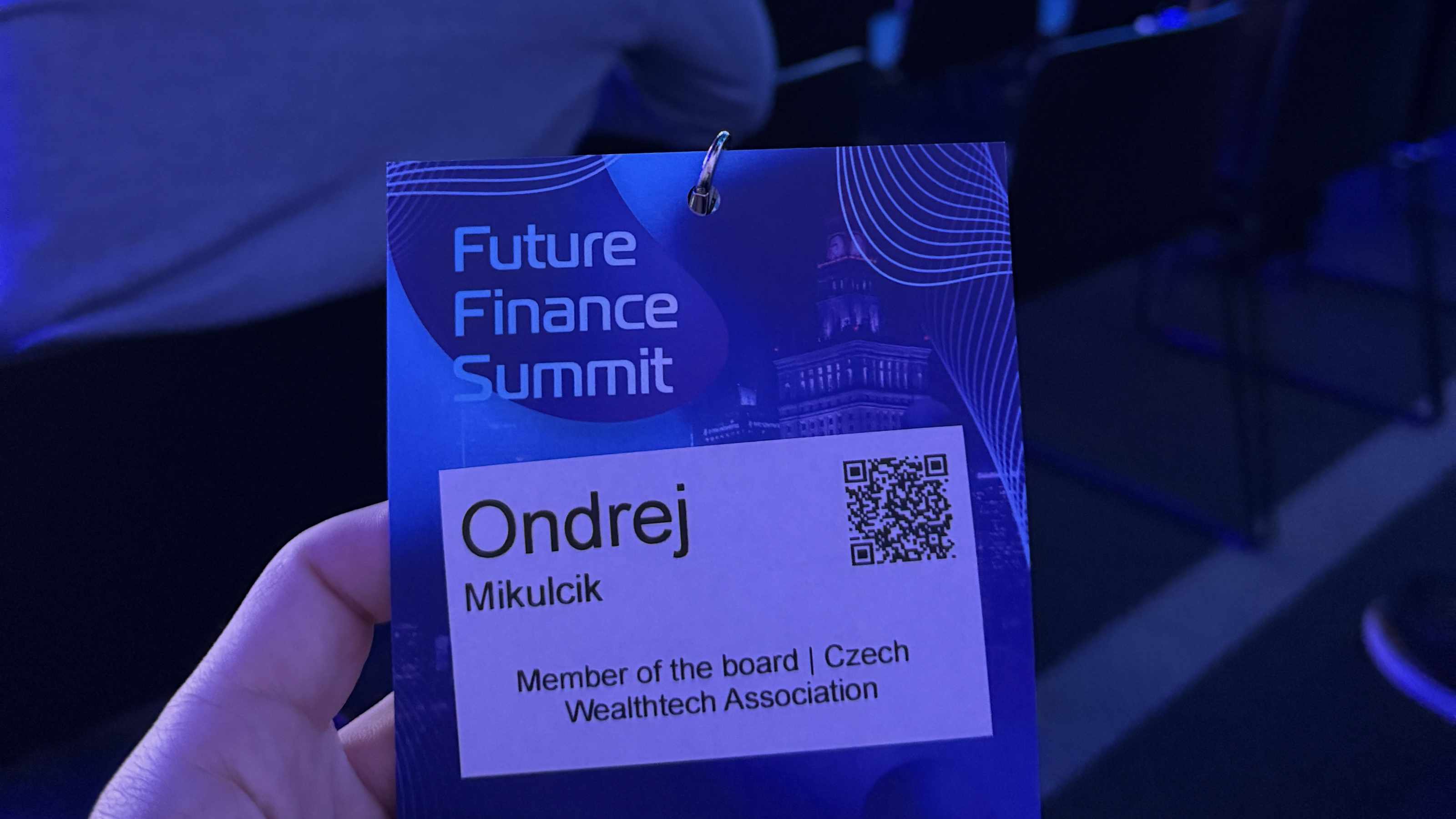
The Warsaw Finance Week took place in Warsaw from November 3 to 6, 2025, Warsaw Finance Week, featuring the two-day Future Finance Summitas its centerpiece. Representing the Czech WealthTech Association at the event were Ondřej Mikulčík and Ondřej Machač.
The conference brought together representatives from banks, fintechs, technology companies, regulatory bodies, and European financial centers in Warsaw. We were particularly interested in the topics that the Czech WealthTech Association has long been focused on, namely value chain resilience, the digitalization of finance, and the greening of the financial sector.
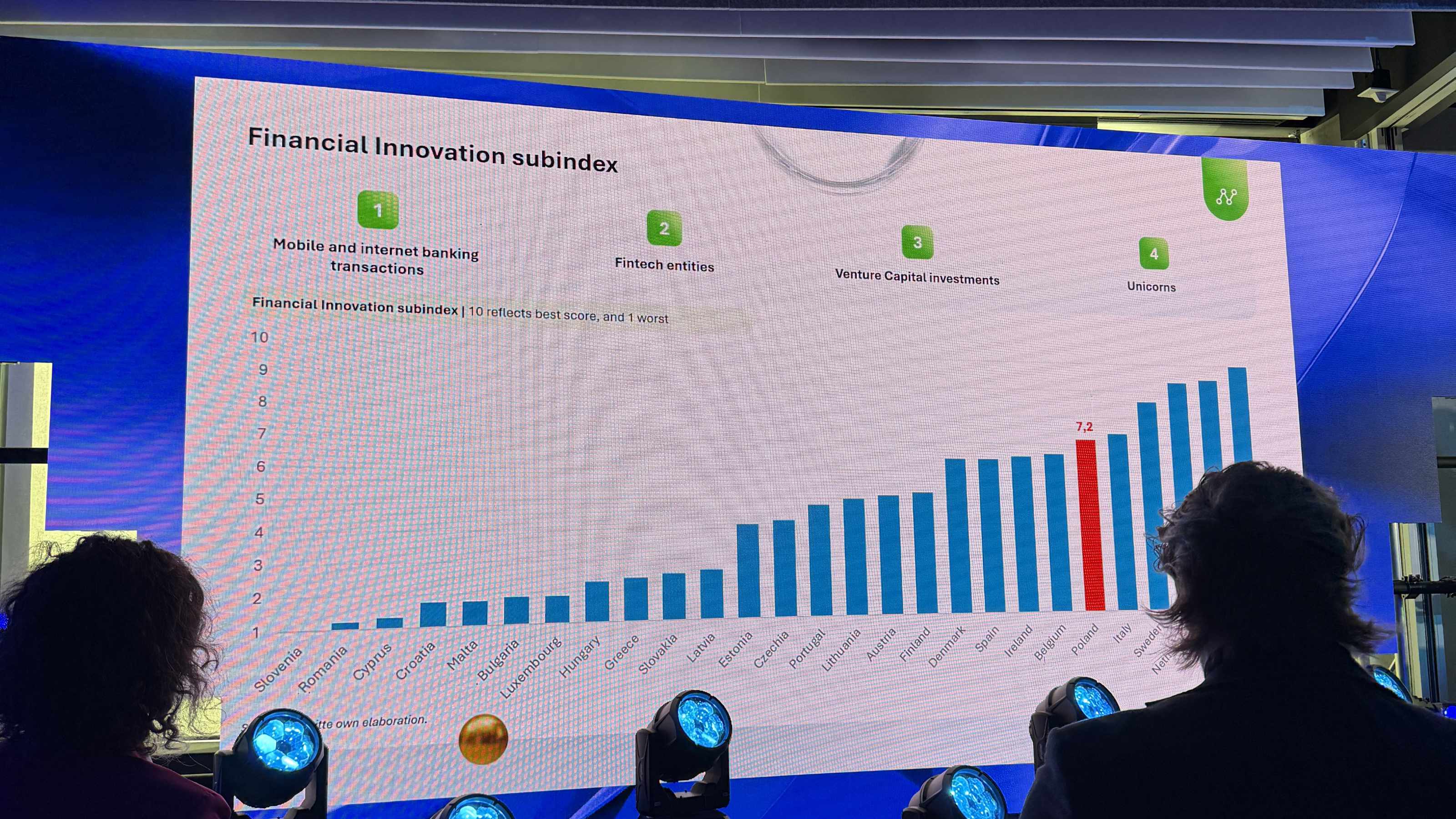
One of the main themes of the conference was Poland's standing on the European financial map. During the Future Finance Summit, the new EU Financial Centres Power Indexwas unveiled, prepared by Deloitte in collaboration with Future Finance Poland.
The index compares EU member states based on the size of their financial sector, financing of the economy, financial innovation, and internationalization. Poland ranked 8th in the EUoverall. It holds a particularly strong position in the areas of financial innovation and digital banking.
For the field of value chains, the broader conclusion is especially important: economic resilience depends not only on manufacturing or logistics but also on the availability of capital, the quality of financial infrastructure, and the financial sector's ability to support companies across the entire economy.
This topic was further explored in the panel “Geopolitics and Finance: Ambassadors on Cross-Border Cooperation, Digitalization and Competitiveness of Financial Markets”, which connected finance with foreign policy, cross-border cooperation, and the competitiveness of European markets.
A large part of the program was dedicated to digitalization. From our perspective, one of the most interesting panels was „Agents vs. Humans – Who Owns the Checkout in 2030?“, which focused on automated purchasing via AI agents.
The debate is shifting from whether AI can recommend a product to whether it will be capable of completing the purchase itself. This opens up new questions regarding customer interfaces, data access, and liability for the transaction itself.
For wealthtech, this is a natural progression in the automation of financial services. In the future, an AI agent could manage not only investments but also expenses, savings, and long-term financial goals.
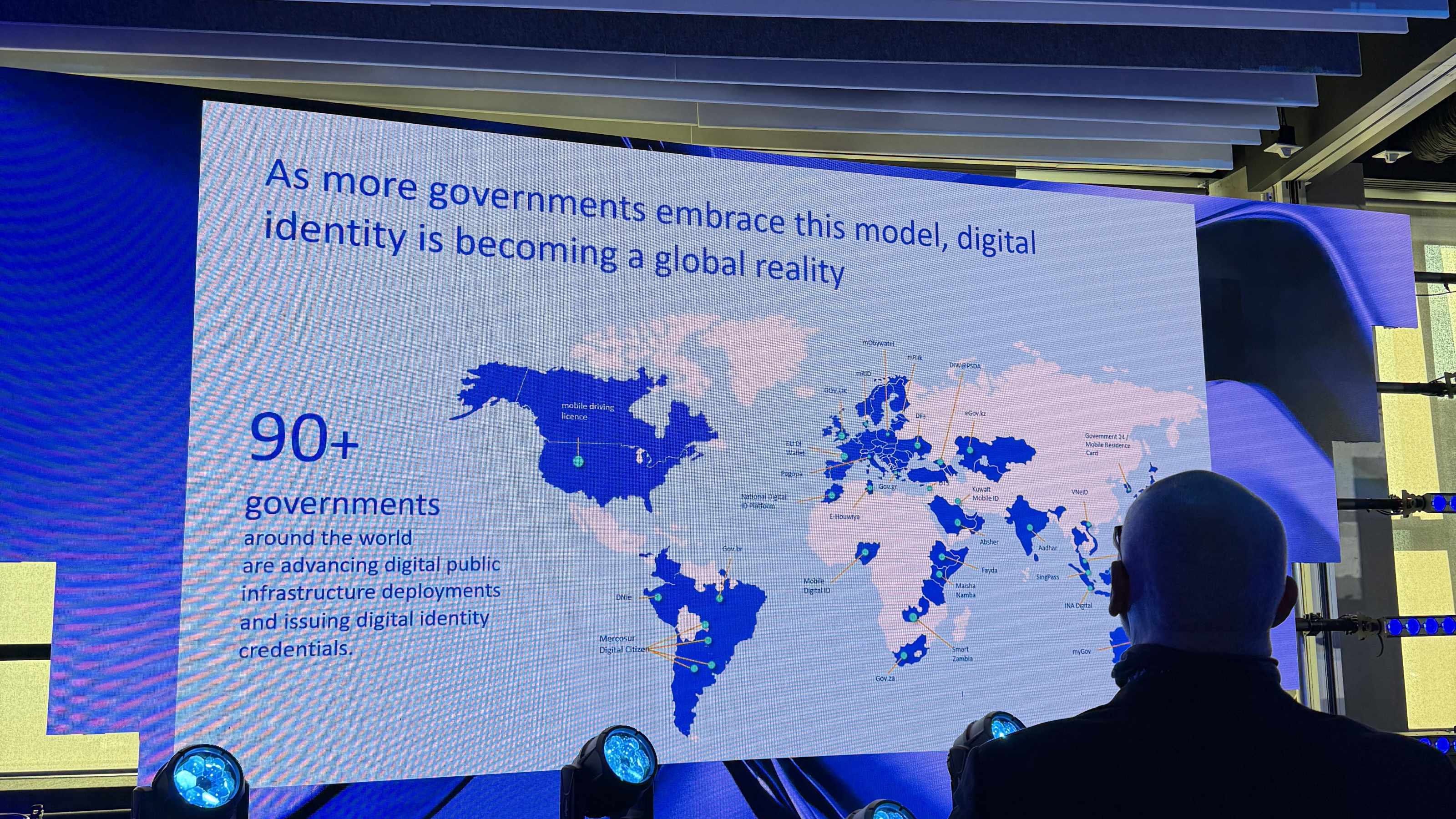
This topic was followed by a lecture titled „The Future of Digital Identity in Payments“. Digital identity will become increasingly important precisely as automated systems begin to carry out financial operations. Payment infrastructure will need to be able to reliably verify not only the user's identity but also the authorization level of the system acting on their behalf.
The third area we followed was greening finance.
During the panel „Across the Ice: Navigating Europe's Hottest Financial Trends This Winter“ , the topic of using AI for the continuous evaluation of the ESG profiles of investment portfolios was discussed.
Instead of one-off or annual audits, fintech platforms can work with larger volumes of data and update a portfolio's ESG profile in real time. Investors no longer have to wait for the next report if, for example, the situation of a specific company or its supply chain changes.
But this also brings up the question of greenwashing. Automated assessment is only as good as the data and methodology it is based on. The transparency of sources and the way ESG scores are calculated will therefore be just as important as the speed of the evaluation itself.
Warsaw Finance Week was more than just a source of new trends for us. It was also a valuable opportunity to meet with representatives from other European fintech associations and financial hubs.
Through European Digital Finance Association (EDFA) we use similar events to exchange experiences between individual European markets. EDFA was also one of the supporters of the Future Finance Summit 2025.
Poland is attractive to the Czech fintech and wealthtech sectors due to its market size, strong position in digital banking, and similar regulatory challenges, among other factors. This makes deepening the exchange of experience between the Czech and Polish fintech ecosystems all the more meaningful.
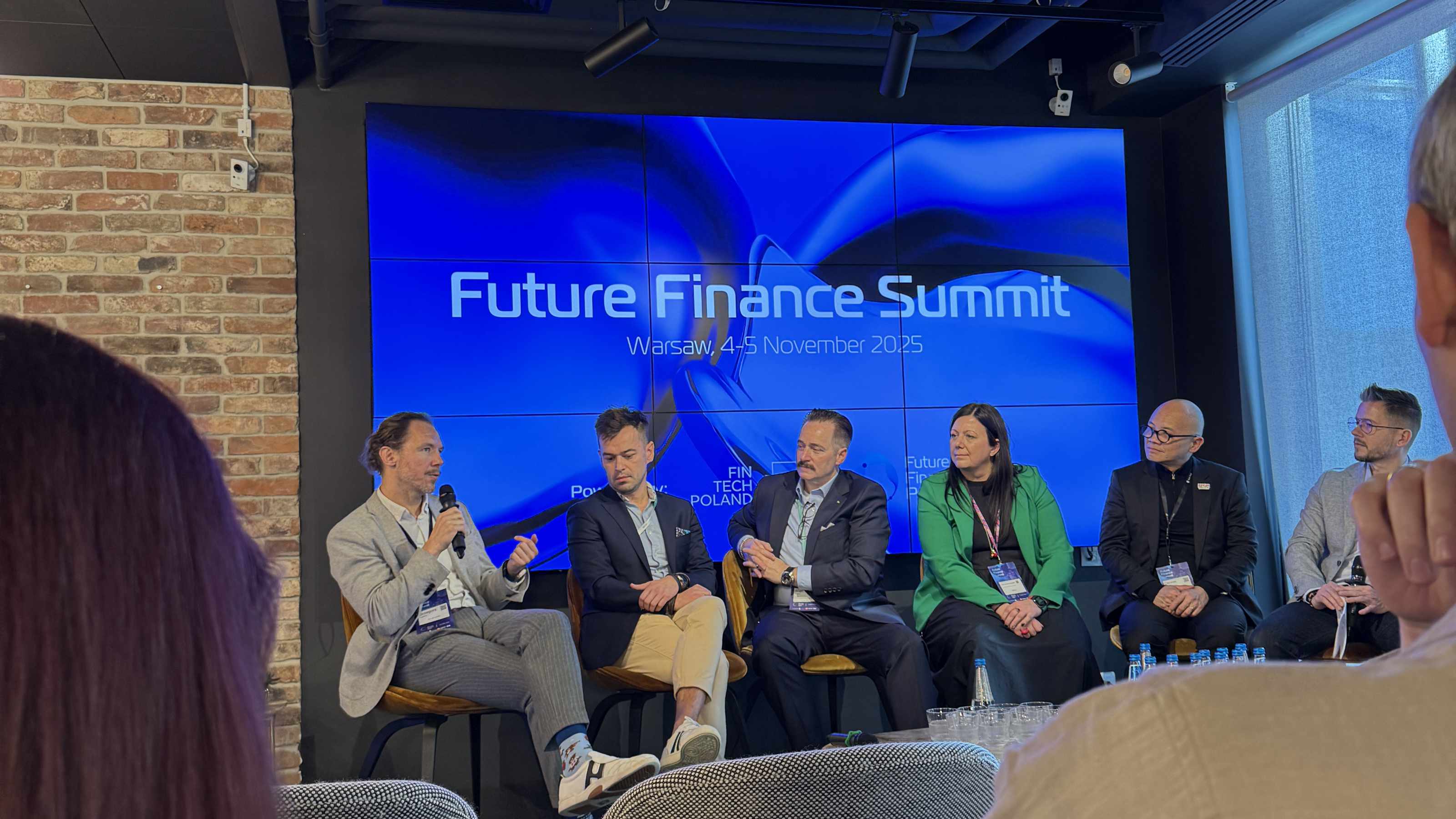
Warsaw Finance Week showed how individual topics in European finance are becoming increasingly interconnected.
The resilience of value chains also depends on the quality of financial infrastructure. Digitalization is shifting from mobile apps to AI agents and digital identity. Meanwhile, greening finance is increasingly relying on data and automated evaluation.
We believe the intersection of these areas will be among the key themes in the future development of European fintech and wealthtech.